
Introduction
Each beginning of the year is accompanied by an implicit expectation: to leave quickly, to decide strongly, to be motivated immediately. However, for many people, January rhymes especially with fatigue, decreased momentum, irregular sleep or mental overload.
This shift is neither a lack of will nor a personal failure. It most often corresponds to a phase of physiological and nervous regulation, normal after the holidays and consistent with the winter season.
January: a demanding month for body and sleep
After the holidays, the organization frequently emerges from a period marked by:
- offset bedtime hours
- less regular sleep
- increased emotional stimulation
- reduced exposure to natural light
Even when the sleep time increases, the recovery quality may decrease if the circadian rhythm is disturbed.
What does sleep studies show during the holiday season?
Data from objective sleep measurements (actimetry, portable devices) show that holiday seasons, and especially the New Year, are associated with:
- A bedtime shift
- A decrease in sleep regularity
- A disorganization of the sleep-sleep rhythm
These factors are correlated to a feeling of persistent fatigue in January, regardless of the number of hours slept.

Regulate before performing: a more sustainable approach
Regulating is not slowing down by default. It is:
- Stabilize biological hours
- Reduce hyperactivation of the nervous system
- Create a stable physiological base
Seeking to perform too early often increases stress, guilt and giving up resolutions. Many changes fail not for lack of discipline, but by bad timing.
The role of natural rhythms, including the moon
Beyond the classic physiological factors, some people report an increased sensitivity to natural rhythms, especially in the phases of the moon, especially around the full moon.
On the scientific level, the available data suggest modest correlations between certain lunar phases and sleep parameters in part of the population, without this being a systematic or universal effect. These variations seem to depend heavily on:
- individual sensitivity
- stress level
- emotional and environmental context
In this perspective, the Moon can be understood not as a direct cause, but as a rhythmic landmark, sometimes amplifying an imbalance already present.
I address this topic in more detail in the article on the first moon of the cycle, and how some people can adapt their rest and recovery rhythm accordingly.
Hypnotherapy and stress regulation: what research says
Hypnotherapy has been used for several decades as a support tool for stress, anxiety and sleep disorders.
Scientific journals show that:
- Some studies observe an improvement in the subjective quality of sleep
- Hypnosis may reduce physiological hyperactivation
- Effects vary by person and context
Hypnotherapy therefore appears as a regulatory tool, particularly relevant during the transition period, like the beginning of the year, without replacing medical follow-up.
Energy care and sleep: state of knowledge
Some energy approaches have been studied from an exploratory perspective, in particular on relaxation and sleep.
Recent analyzes suggest:
- Possible improvement in relaxation
- A potential effect on sleep quality
- But a still limited level of proof
These practices are now considered as complementary approaches to well-being, and not as medical treatments.
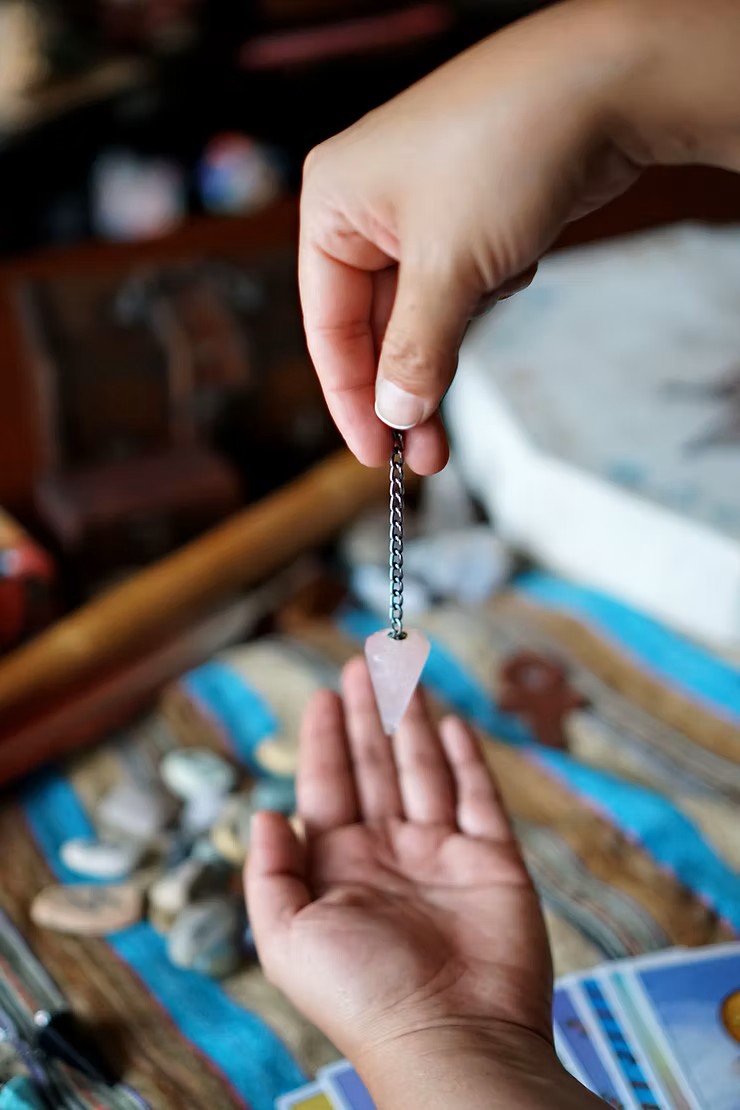
Reiki: a form of structured magnetism
Reiki is a practice of Japanese origin, developed at the beginning of the 20th century by Mikao Usui. Accurate.
In Reiki:
- Hand positions are codified
- Intent is centered on relaxation and harmonization
- Practice aims at global regulation, not diagnosis
We can therefore present Reiki as magnetism with a formalized Japanese setting, used mainly to promote relaxation, stress reduction and the return to a state of inner calm.

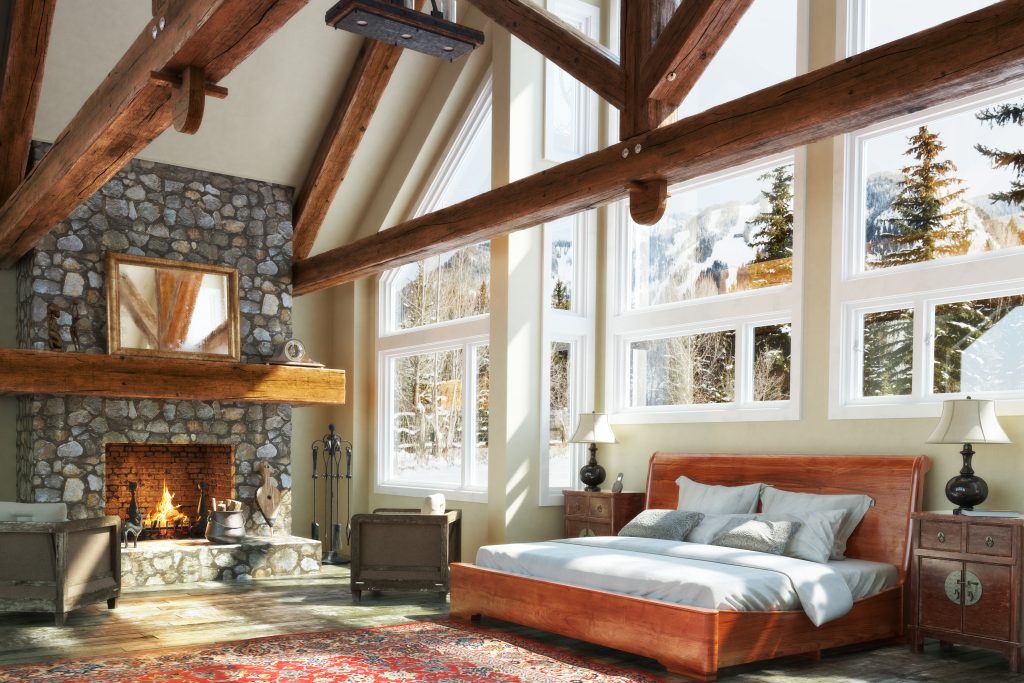
Feng Shui interest at the beginning of the year
Feng Shui is an approach to reading places of life, aimed at understanding how the environment influences the inner state.
In January, its main interest is the reduction of unnecessary solicitations.
A cluttered, dark, or inconsistent space can:
- Maintain a mental restlessness
- slow recovery
- Strengthen emotional fatigue
Simple and useful adjustments in January
- Clear the entrance and passage areas
- Visually lighten the rooms
- Improve light circulation
- Give a clear function to each room
Objective: to allow the body and the mind to recover more easily, without extra effort.

A simple strategy to start the year off right
- Stabilize waking schedules for 7 to 10 days
- Introduce a short daily regulation time (breathing, relaxation, light hypnosis)
- Adjust the environment to support rest
- voluntarily limit the number of resolutions
Conclusion
January is not a month of performance, but a fine tuning month. When sleep, the nervous system and the environment regain consistency, projects and decisions naturally settle on a more solid foundation.
Scientific references
- Wang et al., Effect of holidays on sleep timing and variability, Scientific Reports, 2022https://www.nature.com/articles/s41598-022-05329-9
- Lam et al., Hypnosis for insomnia: A systematic review, Sleep Medicine Reviews, 2014https://pubmed.ncbi.nlm.nih.gov/26365453/
- Thompson et al., Clinical Hypnosis: An Update of Research Evidence, Frontiers in Psychology, 2023https://www.frontiersin.org/articles/10.3389/fpsyg.2023.1330238/full
- Reiki for Sleep Disturbances: A Meta-Analysis, SSRN, 2024https://papers.ssrn.com/sol3/papers.cfm?abstract_id=4920681